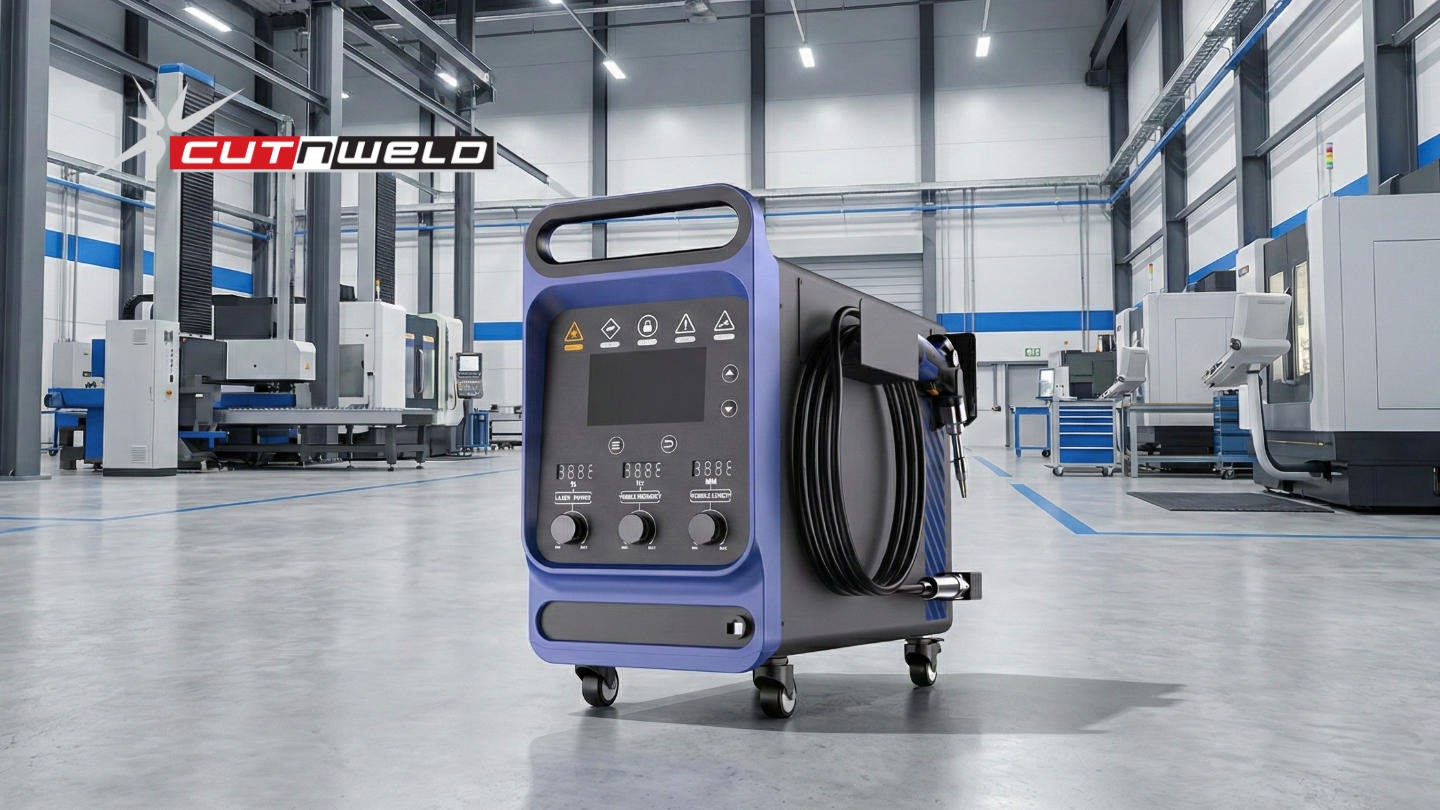
Upskilling Your Sales Force: The Laser Welding Advantage
The precision of a Laser Welding Machine ensures that the first weld of the day looks exactly like the last, reducing the human error factor.


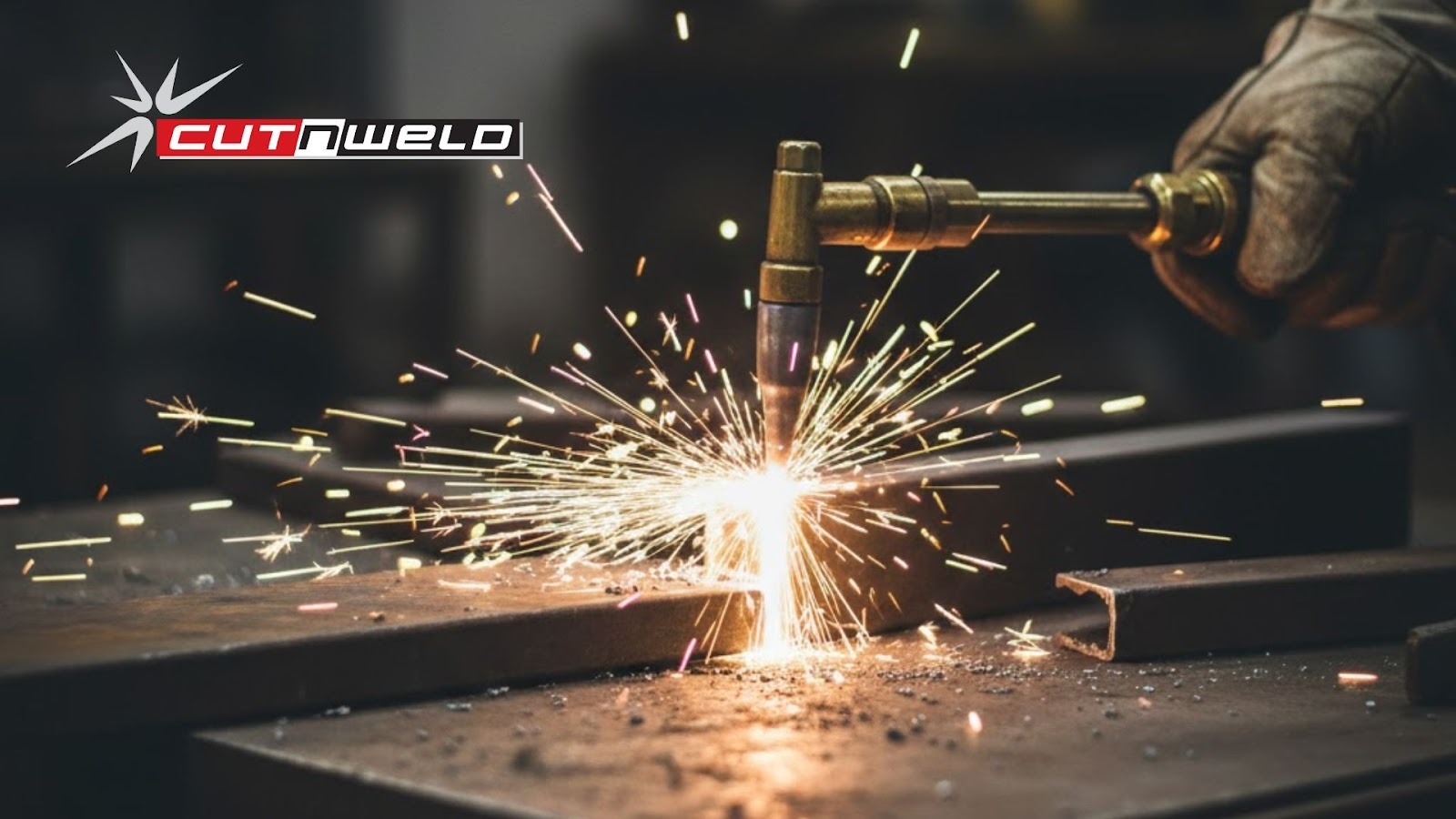
For any professional in construction, engineering, or manufacturing, the difference between a clean, efficient cut and a costly mess often comes down to one small but critical component: the nozzle on your cutting torch. It’s easy to think of a cutting torch as a single tool, but its performance is highly dependent on the type of nozzle you use. Selecting the right one for the job isn’t just about getting a good cut—it’s about safety, efficiency, and the quality of your work.
So, what should you know about these essential components, and how do you choose the right one for your specific application? Let’s dive into the world of cutting torch nozzles and understand what makes them so important.
At its core, a cutting nozzle works by creating a preheat flame to bring the metal to its ignition temperature, followed by a concentrated stream of pure oxygen to perform the cut. The nozzle’s design is what controls these two processes, dictating everything from the type of fuel gas used to the thickness of the metal you can cut. The most common types of cutting torch nozzles fall into two main categories, primarily defined by the fuel gas they are designed to work with: Acetylene nozzles and Propane/Propylene/Natural Gas nozzles. While they may look similar at a glance, their internal construction and gas mixing methods are fundamentally different, and using the wrong one can be dangerous and ineffective.
When you’re looking at the different options, you’ll most often encounter these two key types:
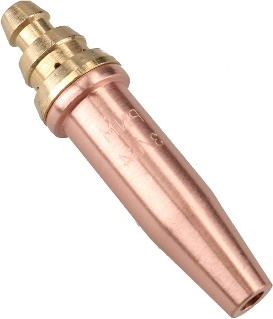
These are the most common nozzles for use with acetylene gas. Acetylene is known for its high flame temperature, making it an excellent choice for various cutting applications. The design of an acetylene nozzle typically uses a one-piece construction made from high-grade tellurium copper. The gas passages are engineered to be smooth, ensuring an optimal and stable flame.
Acetylene nozzles mix the oxygen and acetylene gases within the nozzle itself. The key thing to remember is that because of the high temperature of acetylene, these nozzles are designed to handle that heat, making them a reliable choice for quick and precise cuts. They are particularly well-suited for cutting steel with a minimal amount of preheating time.
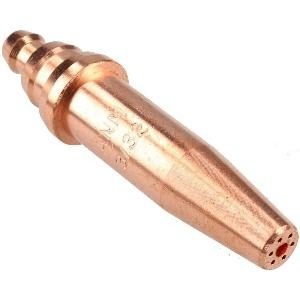
Unlike their acetylene counterparts, nozzles for fuel gases like propane, propylene, or natural gas are usually a two-piece design, consisting of a brass inner nozzle and a copper outer sheath. These gases burn at a lower temperature than acetylene, but they have a higher heat output (BTU). This means that while they might take a little longer to preheat the metal, they are more efficient for heating large areas.
The two-piece design of PNM nozzles creates turbulence between the inner and outer parts to achieve adequate gas mixing. The larger gas channels are designed to accommodate the greater volume of oxy-propane or oxy-natural gas required to achieve the same cutting heat as acetylene. This makes them a cost-effective choice for many applications, especially for cutting thicker materials or in situations where propane is the more readily available and economical fuel.
Selecting the correct nozzle involves considering four main factors:
To simplify your selection process, here’s a quick guide to some of the most common nozzles.
| Nozzle Type | Fuel Gas | Construction | Best For | Considerations |
| ANM | Acetylene | One-piece solid copper | Heavy-duty fast precision cutting | High flame temperature requires less preheat time |
| PNM | LPG, propane, propylene and natural gas | Two-piece (brass inner, copper outer) | Heavy-duty cutting and heating. | Lower flame temp but higher BTU output, more economical for large jobs |
| AFN | Acetylene | One-piece solid copper | Smooth, slag-free, clean cutting | A stable, well-balanced flame. Used with a mini torch attachment for efficient cutting positioning |
It’s essential to always consult a detailed chart from a reputable manufacturer to find the exact nozzle size and pressure settings for the thickness of the metal you’re working on. Over or undersized nozzles and incorrect gas pressures can lead to problems like flashbacks, backfires, or an unstable flame.
The longevity and effectiveness of your cutting nozzles are directly tied to how well you maintain them. Regularly inspecting for wear and tear and cleaning them with proper nozzle cleaners will extend their life and ensure consistent, high-quality cuts. A clogged or damaged nozzle can lead to a poor preheat, an inefficient cut, and potential safety risks.
Partner with the Experts
In the world of professional cutting and welding, every detail matters. The right cutting torch nozzles are not just accessories; they are fundamental tools that impact the quality, efficiency, and safety of your work. By understanding the types of nozzles available and how to select and maintain them, you can elevate your craft and ensure every job is done right.
At Cut N Weld, we pride ourselves on being a trusted partner to construction and engineering firms, manufacturing companies, and architects across the country. Our team of experts is dedicated to providing high-quality welding equipment and consumables. We understand the unique challenges you face and are committed to helping you find the perfect tools for your needs. Ready to find the right cutting torch nozzles for your next project? Explore our comprehensive range of high-quality products and get expert advice tailored to your specific application. Visit the Cut N Weld website or contact us today to speak with one of our specialists!
The precision of a Laser Welding Machine ensures that the first weld of the day looks exactly like the last, reducing the human error factor.
Unlock the secrets to achieving clean, efficient cuts with the right cutting torch nozzle! Whether in construction or manufacturing, the right nozzle enhances quality and safety. Explore our guide to learn about essential nozzles, their features, and how to choose the perfect one for your needs. From acetylene to propane, optimize your cutting process and elevate your craft. Don’t let poor choices lead to mistakes—discover cutting torch nozzles with us today!
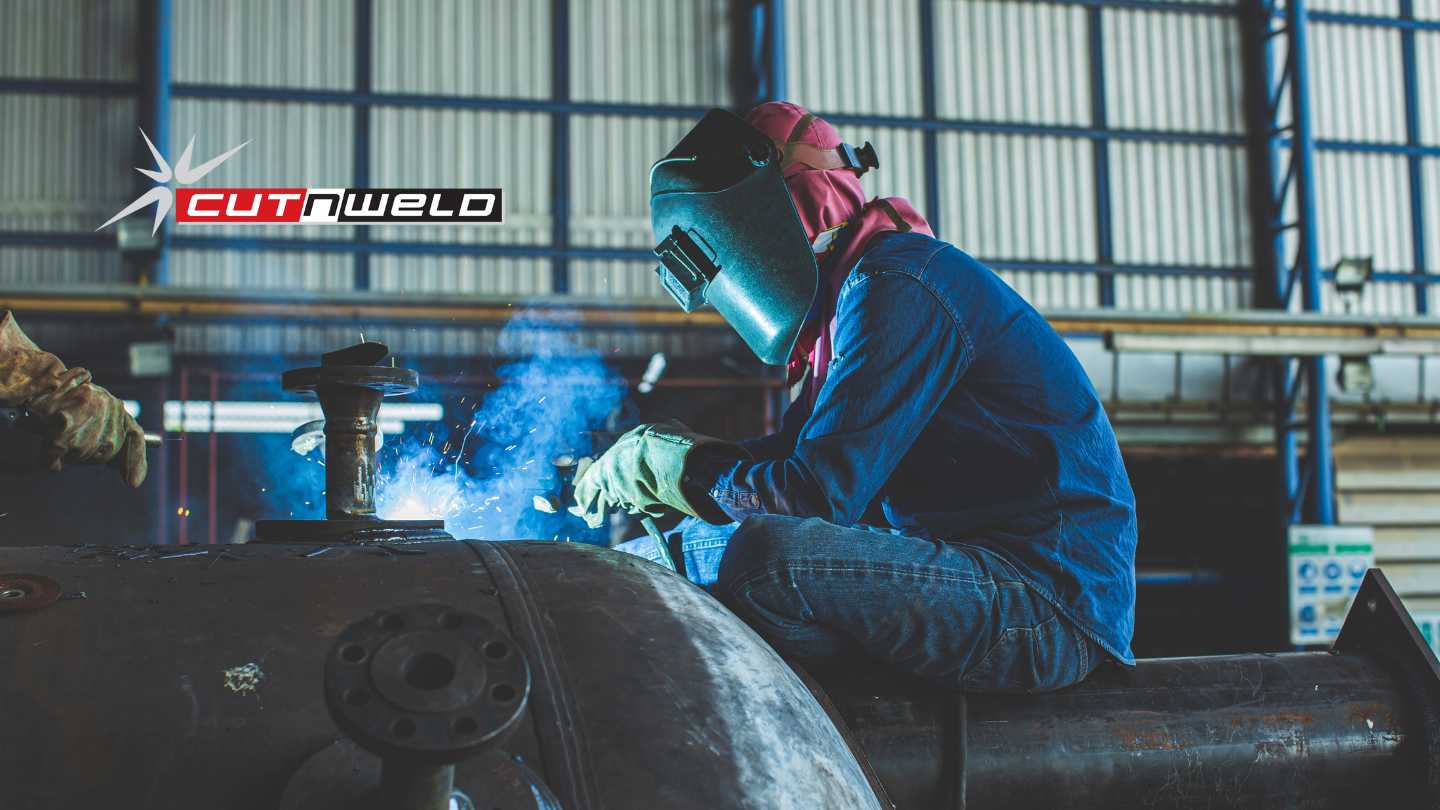
Laser art welding isn’t just functional, it’s an art. Precision, detail, and creativity combine to turn metalwork into true expression.