iCut Industrial Abrasive Discs: Evaluating Safety, Yield, and True Cost-per-Cut
Compare iCut industrial abrasive discs against expensive legacy name brands and cheap generic imports. Improve safety and lower your cost-per-cut yield.


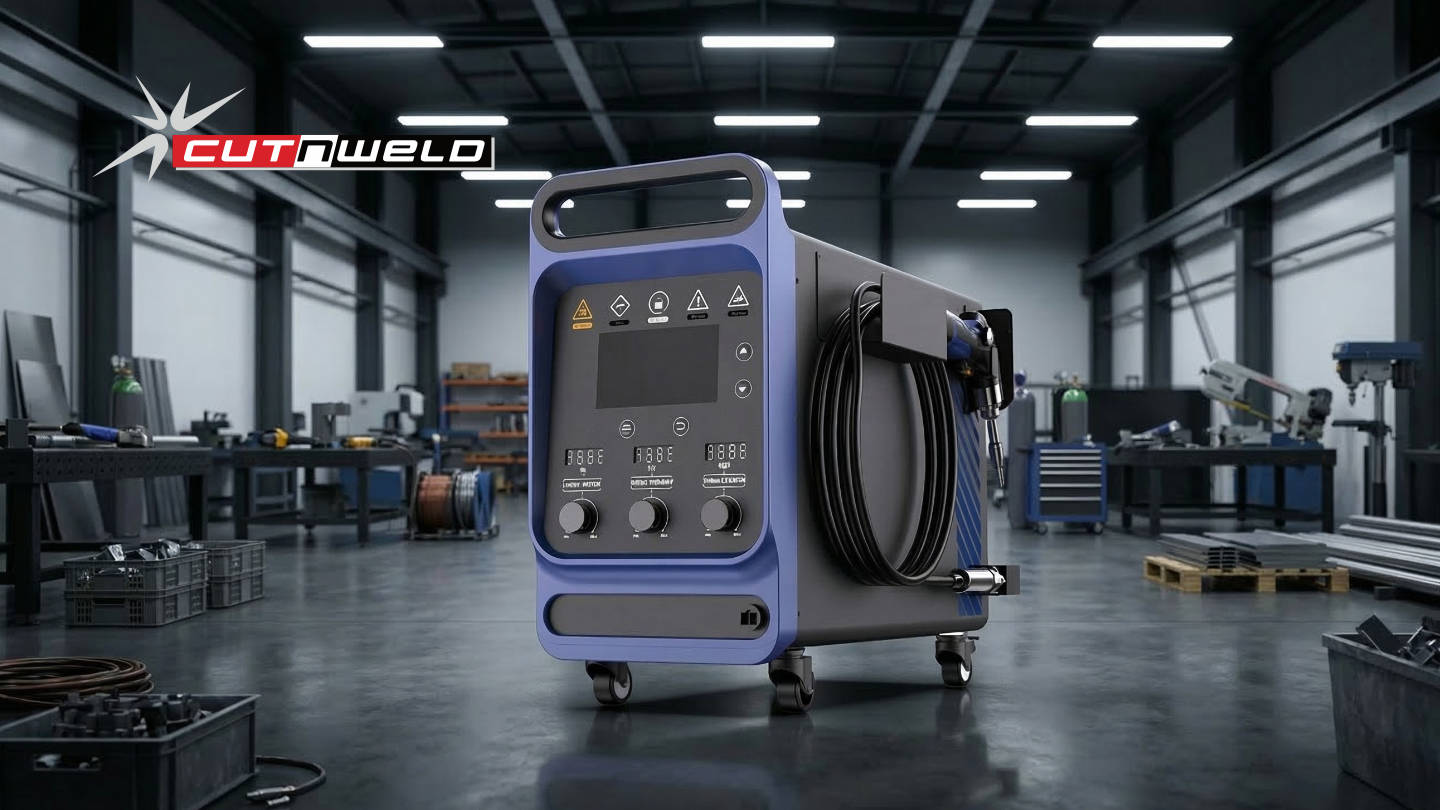
Choosing between TIG/MIG and Laser depends on your production volume and material thickness. We break down the costs, speeds, and finish quality to help you decide.
In the Southern African metalworking industry, the pressure to deliver high-quality results while managing rising operational costs is a constant challenge. Whether you are running a boutique fabrication shop or a high-volume industrial plant, the equipment you choose dictates your bottom line.
For decades, MIG and TIG welding have been the industry standards. However, the introduction of the Handheld Laser Welder has shifted the landscape. At Cut-N-Weld, we believe in equipping our clients with the right tool for the job. Here is a practical breakdown of how traditional methods stack up against modern Industrial Laser Welding technology.
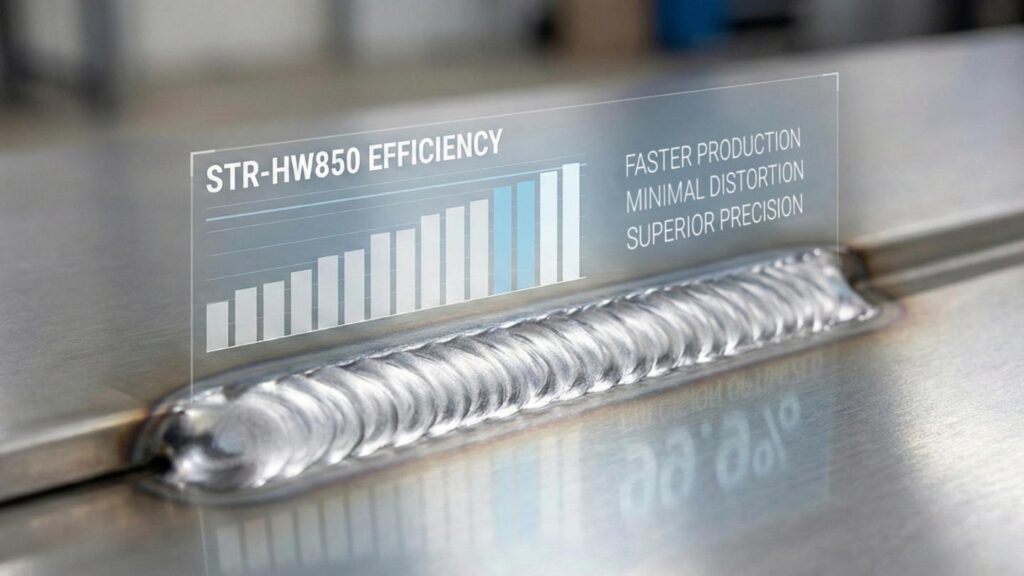
Time is currency in any workshop.
Finding certified, high-level TIG welders in the local market is becoming increasingly difficult and expensive.
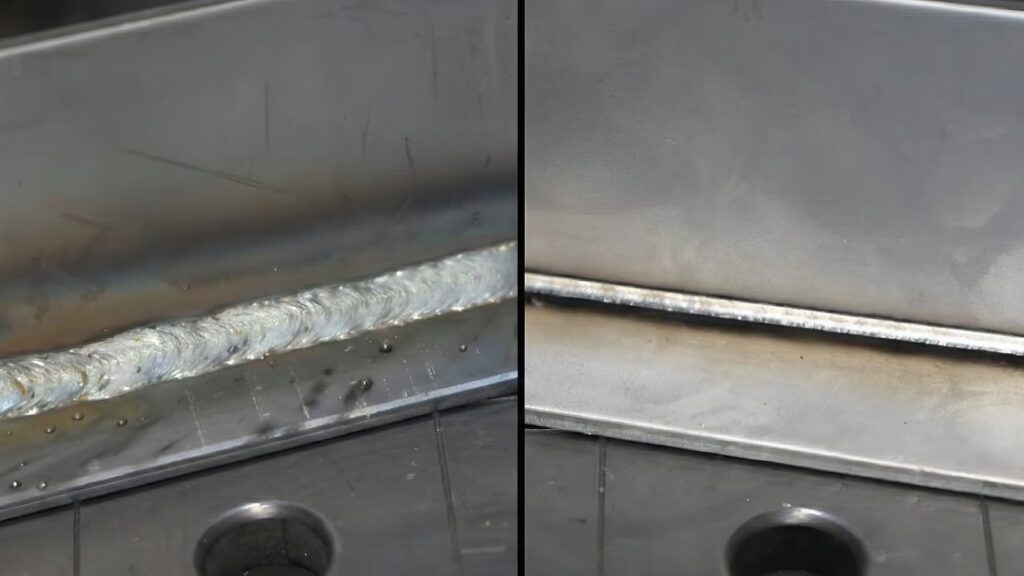
The finished quality of your product is your calling card to your customers.
While the initial investment in a Laser Welding Machine is higher than a standard inverter, the ROI is found in the “Total Cost per Metre.”
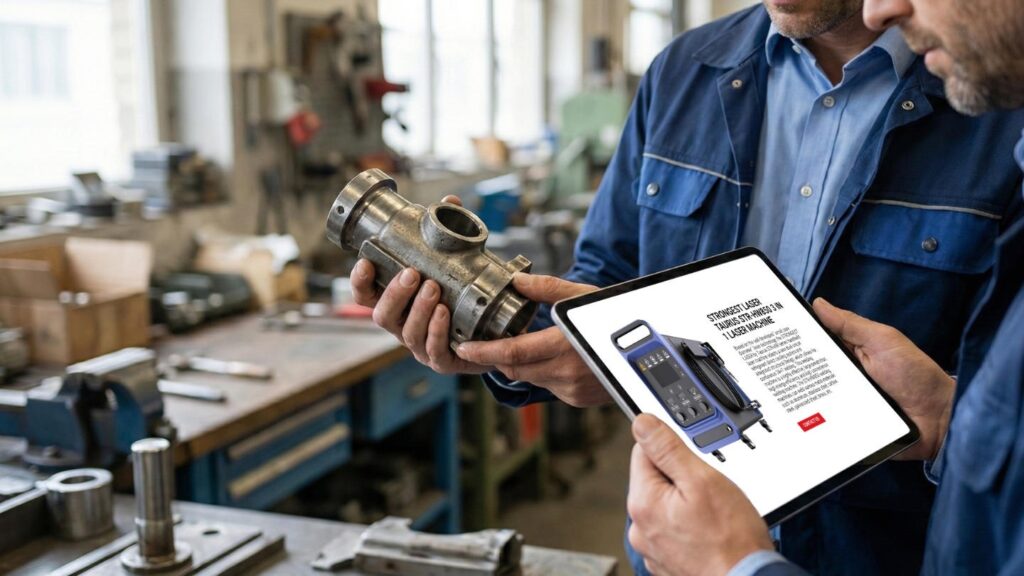
Investing in new technology can be daunting if you’re worried about downtime. This is where Cut-N-Weld differentiates itself. We don’t just drop a box at your door. We provide:
If you are working almost exclusively on heavy structural plats (12mm+), traditional MIG remains a powerhouse. However, for stainless steel, aluminium, and carbon steel fabrication, where speed and finish are paramount, the Handheld Laser Welder is the future.
Compare iCut industrial abrasive discs against expensive legacy name brands and cheap generic imports. Improve safety and lower your cost-per-cut yield.
Cut-N-Weld operates as a premier Gauteng welding supplies warehouse. Enjoy local pickup, custom protective packaging, and seamless EAN-13 inventory control.
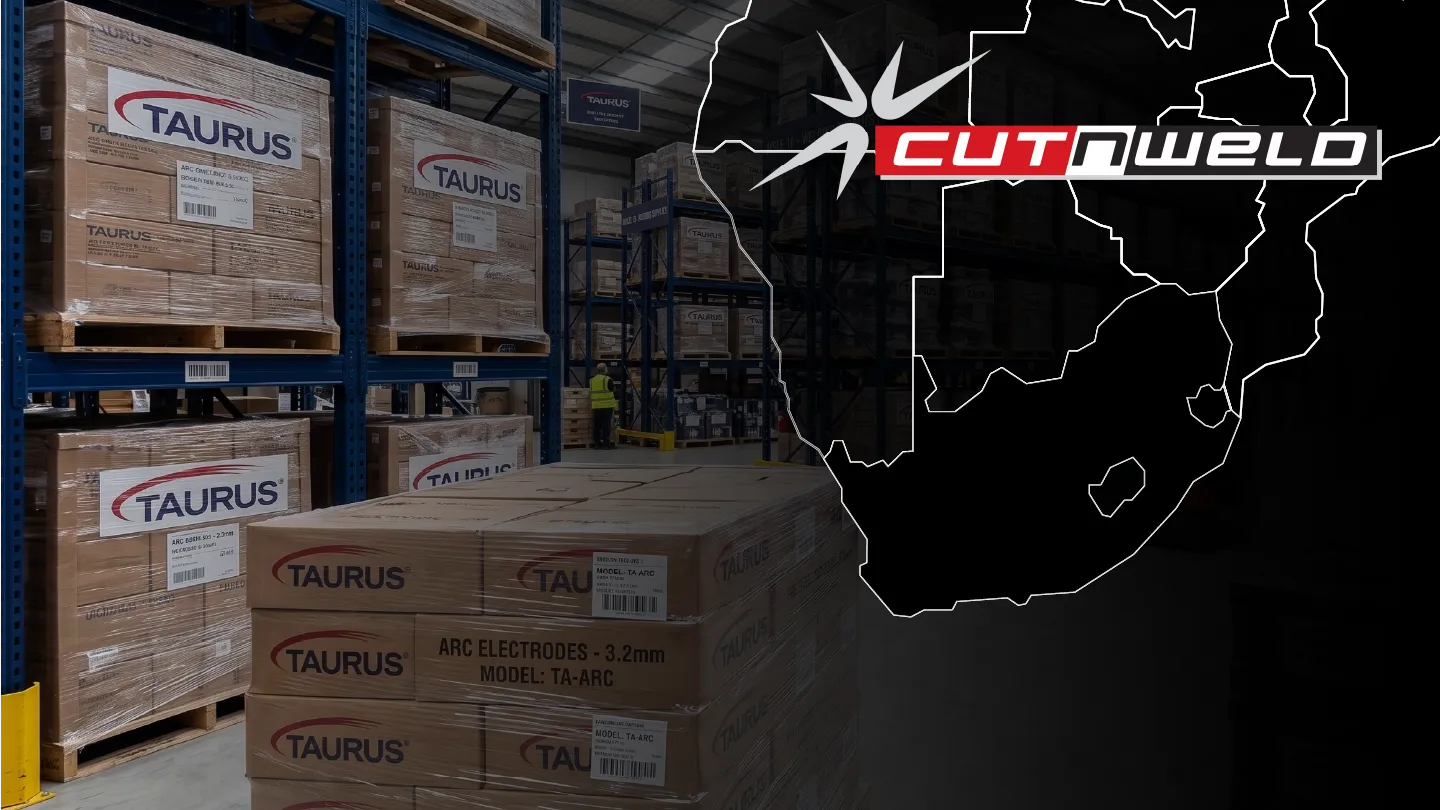
Discover how sourcing Cut-N-Weld distributor brands eliminates import delays, protects reseller profit margins, and secures premium stock locally.